
Baby steps approach to the healthy paleo lifestyle
If a sudden dietary transition is too overwhelming…
If you’re not ready for a full Paleo commitment, there are still choices you can make to reduce inflammation-causing foods and improve health via a “baby steps” approach. Although this can make the transition less daunting, the health benefits and hormonal balancing that results from anti-inflammatory Paleo foods will be delayed…and food cravings tend to lurk. However, making some change is better than none.
Sometimes all that’s needed to stimulate healthy food changes are some ideas to get started – so here you go. This is not a comprehensive list by any means. There is some overlap between ideas as some are more advanced than others. There’s no specific order to this list – you can decide which ones you’d like to try first. Consider implementing two or three at a time. Altering just a few key behaviors could make a notable impact on your health.
It doesn’t matter HOW you get there, just so your journey to Paleo is underway…




steps to Paleo diet & lifestyle

A few basic concepts:
- Avoid Fast Food
- Eliminate Processed Food
- Choose organic whenever possible.
- Shop at a farmer’s market
Stop Drinking Sweet Liquids – Eliminate juice, soda, sweeteners, sports drinks, coffee drinks (known as milkshakes with espresso), alcohol, diet drinks, protein shakes, etc. Focus on water, herbal tea, sparkling water, kombucha, kefir, and even unsweetened coffee and teas. Coconut water is an option if weight-loss is not a personal goal (has natural carbohydrates with electrolytes, ideal for cardio sports). It doesn’t take long to start appreciating the real flavors of food once we’re less accustomed to consuming sweet substances.
Soda is ubiquitous in our culture and devastating to our health; it’s also addictive and can be a difficult habit for some to break. For addicted soda drinkers, try transitioning to healthier options gradually: choose flavored carbonated water like La Croix, Klarbrunn or Spindrift brands. If you crave something sweet, try sodas sweetened with stevia like Xevia brand; If you’re at a convenience store looking for a soda substitute, try Vitamin Water, Bubbler or Bai brands that use stevia in place of sugar. *Note that stevia is a crutch and not a long term solution.*
Go Gluten-Free – Eliminate all sources of gluten: wheat, barley, rye, triticale, and sometimes oats due to cross contamination (look for specifically labelled gluten-free oats). This also includes products made from these ingredients such as baked goods, soy sauce, beer, brewer’s yeast, seitan (vegetarian mock meat), veggie burgers, cream sauce made with a roux, malt products like vinegar, etc.
Beware: Replacing favorite gluten products with the store-bought gluten-free products is not recommended. Not only are they expensive but those products are only a step healthier than the gluten-laden item – they’re still made with other processed starches and chemicals. Instead, focus on using vegetables as a replacement such as lettuce wraps, sweet potato pie without a crust, pumpkin porridge, red pepper slices instead of sandwich bread, zucchini noodles… the possibilities are endless and truly steps you into a Paleo diet. There are many online resources devoted to a strict gluten-free lifestyle for those with celiac disease, but they also offer beneficial information for those of us just looking for better health in general.

Go Dairy-Free – If you’re a milk drinker, try the dairy-free milks available – coconut, rice, almond, hazelnut, cashew (though we encourage you to steer away from soy because of its phytoestrogen content). Carrageenan is a common thickener which should be avoided – carefully read the labels of the refrigerated or boxed milks. Canned coconut milk is our favorite for adding creaminess to coffee, tea, soups, smoothies, eggs and desserts. Butter can be replaced with clarified butter called ghee. Nutritional yeast gives a cheesy flavor but if you want the creaminess you could purchase a vegan cheese substitute or make your own cashew cheese. Read more about the problems with dairy.
Some people tolerate dairy in small amounts. If you want to include dairy, these suggestions will minimize your risk:
- Try goat or sheep milk or cheese
- Choose dairy products that are not only organic, but from pasture-raised animals
- Stick with hard cheeses and stay away from processed cheeses
- Use more easily digested forms of dairy such as kefir or plain yogurt which contain beneficial probiotics
Commit to a Paleo Breakfast – The hardest meal to change is often breakfast with all the sugar and starch in traditional choices of cereals, baked goods, juices and jams. Get in the habit of eating a vegetable, a protein, and a healthy fat for this meal. Omelets or scrambles are a great option, but also consider having tuna salad on greens or sweet potato hash with sausage or last night’s leftovers. No one said breakfast has to “look like breakfast.” That being said, there are numerous Paleo breakfast recipes that replicate muffins or pancakes for when you want to recreate a favorite (for a special occasion perhaps).
Eliminate Flour-Based Foods – Take all baked goods, or foods created with flour, out of your diet. This includes crackers, bread, pasta, pancakes, bagels, seitan (vegetarian mock meat ingredient), cookies, muffins, waffles, pretzels, bars, etc. If it was made with flour, leave it at the store.
Remove Industrial Seed Oils – The chemically processed oils we regard as “heart healthy” are actually NOT healthy at all. They’re not available through nature and they are highly sensitive to light and heat, meaning they oxidize quickly and become rancid. Avoid all forms of canola, safflower, cottonseed, peanut, sunflower, corn, soybean, vegetable, and partially hydrogenated oils. Eliminate shortening and margarine immediately! Focus on using health-promoting oils (ones that you could potentially make at home) – coconut oil (see below), olive oil, avocado oil or ghee (clarified butter); be sure the olive and avocado oils are in dark bottles. Sesame, macadamia and other nut oils are acceptable, but purchase in small amounts and use them up quickly as they, too, tend to oxidize with light and heat.
Use More Coconut Oil – Start consuming extra-virgin coconut oil daily – melt some in your tea or coffee, roast vegetables drizzled with coconut oil, mix some into your dressings or nut butter, scramble your eggs in it, rub it into your dry skin or sunburn, try “oil pulling” to clean your mouth or more. There is no right or wrong way to use coconut oil and there are many benefits (read our Paleo Synopsis to learn the benefits of coconut oil).

Avoid Chemicals in Your Food – Start reading your labels to avoid food colorings, MSG, carrageenan, or preservatives including sodium benzoate and BHT. We also need to mention that personal care products contain toxins as well. Carefully choose products free from colorings, gluten, fluoride, SLS, and other chemicals, or again, make your own.
Eliminate Store-Bought Sauces and Seasoning Packets – Homemade tastes so much better and you can eliminate multiple poor quality ingredients by making your own salsa, dressing, hummus, ketchup, mayonnaise (try blending olive oil with avocado, coconut or macadamia oils – straight olive oil can be too strong), guacamole, and other condiments. Online recipe sites tell you how to blend spices to replicate your favorite seasonings such as onion dip, seafood seasoning, taco spice, ranch seasoning, all purpose seasoning, and more.
Say “NO” to GMOs – Corn, soy, sugar beets, canola, cotton, and zucchini are likely to be Genetically Modified Organisms (genes from other species have been spliced into the plant’s DNA in order to promote growth or provide resistance to certain pesticides). You can make an argument for or against GMOs, but we notice that we feel better without them in our diets. The above plants, especially corn and soy, can be manufactured into many different ingredients such as oil, starch, sugars, syrups, hydrolyzed proteins, lecithins, etc. Carefully read labels to eliminate all the possible derivatives (find lists online by searching corn- or soy- free lifestyles). Additionally, animal feed often contains GMOs, so in order to completely avoid the influence of those you will need to find sources of organic, wild or pastured meats, fish, and eggs.
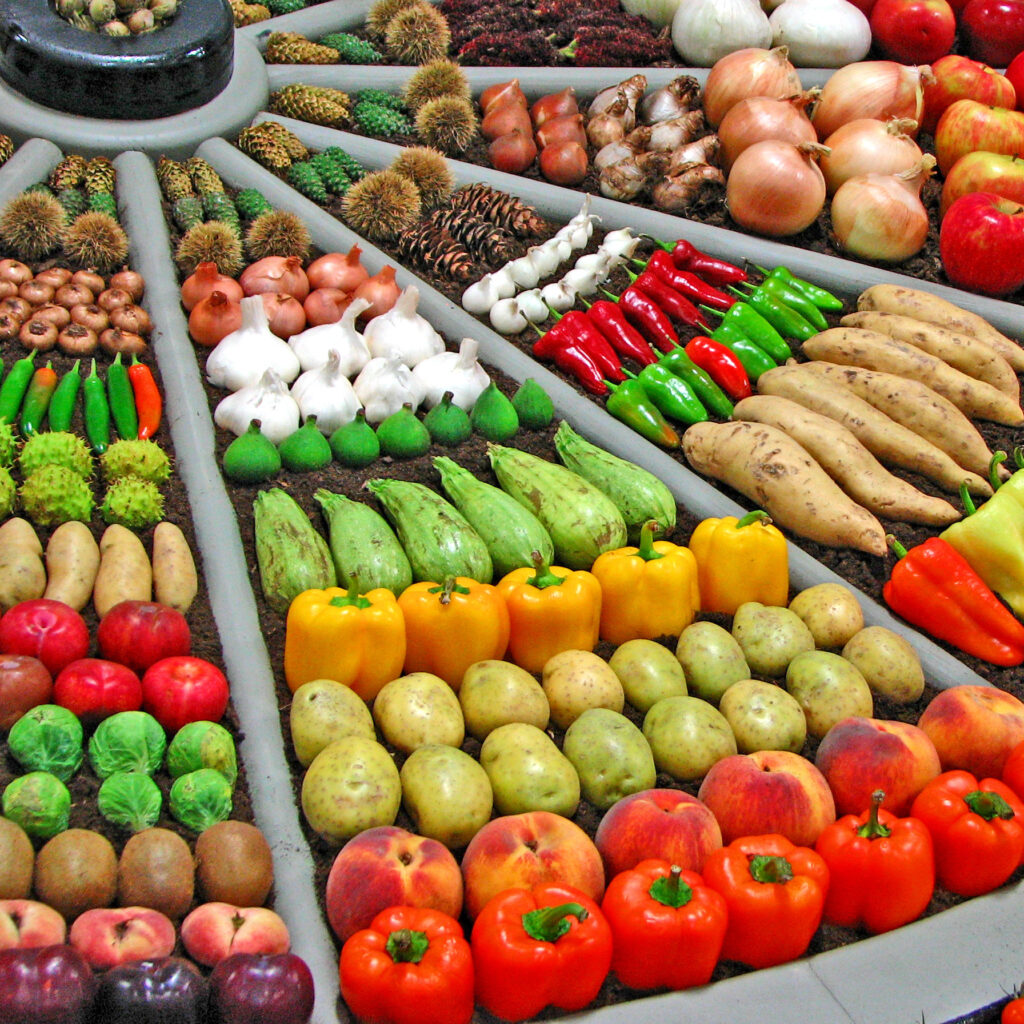
Eat More Vegetables! – We encourage vegetables at every meal. Try to consume multiple colors throughout the week. Cherry tomatoes, sweet potato hash, yellow squash succotash, broccoli roasted with anchovies, purple cabbage slaw, roasted cauliflower… it’s a rainbow! There really is no limit on how many vegetables you consume daily… make it a game! If time is a constraint, block a weekly vegetable-chopping time for convenient healthful snacks or recipe-ready ingredients.
Substitute Celtic Sea Salt, Himalayan salt or Real Salt – these contain many more trace minerals and taste better!
Select Carefully Raised Animal Products – Animals, like humans, are not immune to a grain-laden diet…those foods tend to produce sick and fat animals. Factory-farmed animals, even fish, are fed cheap grain to make them grow (fat) quickly. Replace factory farmed animal products with wild caught, free range, grass fed, pastured, or other local animal products where you know your farmer and agree with the manner in which the animals are raised.
The healthiest animal products come from those that are raised in their natural environments and fed their genetically appropriate diet. For example, the natural diet of cattle is grass so it’s best to find beef products from a farm that raises their cattle in a pasture and feeds grass year-round. “Grass-fed” beef and butter is delicious! Chicken is best if allowed to wander freely, eating grass, insects, nuts and seeds, etc. Select free-range or ‘pastured’ eggs – the nutrient-packed yolks are a deep orange color. Animal products from those raised in a traditional manner are much more nutritious than factory-farmed products; traditional farms offer an environmentally sustainable and ethical way to raise animals; and your purchase supports small farms. It’s a win-win-win situation!
Start Making Bone Broth – Bone broth is made by slowly cooking bones with a touch of vinegar to draw out minerals and micronutrients locked in the bone. Choose quality bones from pastured animals for the best nutrition. The final product is a true health food that can be used as a soup base, liquid in a smoothie, broth to drink straight from a mug, or frozen in ice cube trays for an easy way to add flavor and nutrients to anything you’re cooking. It’s also useful in healing upset tummies, sore joints and the gut lining.
Smile! Being “Paleo” doesn’t mean being perfect all the time… just a majority of the time until you figure out your own personal triggers & limits. Very few people are 100% compliant 100% of the time (even us). Use this list to mull over a few ideas to kick-start your transition to a healthier lifestyle. Bit by bit you’ll get there!